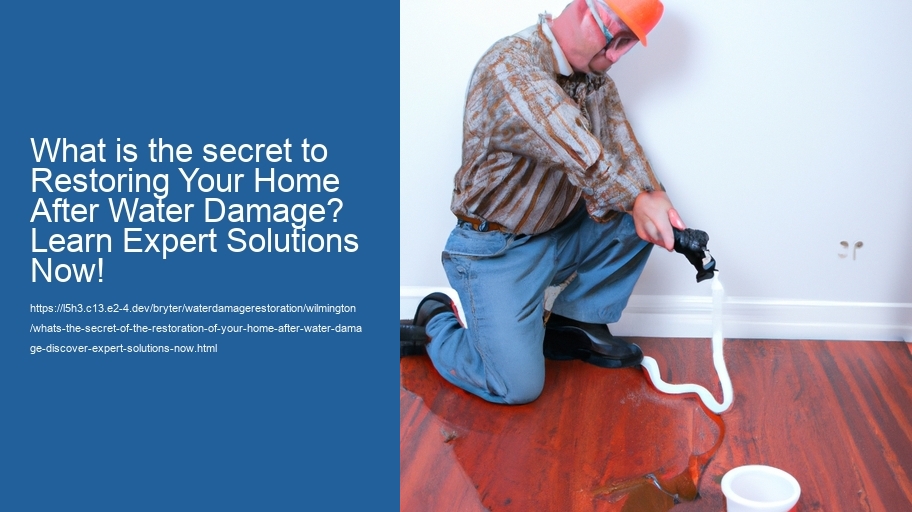
What can be done to determine the source of water damage
Locating the cause of the water Damage: The Secret to Restoring Your Home Following Water Damage
Water damage is the worst nightmare for homeowners, bringing not just immediate destruction but also issues that last for a long time, such as mold growth as well as structural instability.One of the most vital steps to restore your property following an incident is identifying the source of the damage.This initial step lays the foundations for properly fixing the damage and protecting your home from future disasters. What is the secret to getting your home back to normal after flood damage? Find Expert Solutions Now! .
When it is about water damage it is crucial to act quickly as time is of the essence.The sooner you pinpoint the source of the water is coming from and the quicker you can stop its spread and minimize the impact.The sources of water damage can be diverse, ranging from natural disasters such as floods and storms to more subtle causes such as leaky pipes, malfunctioning appliances, or condensation build-up.
Firstly, one must be aware of obvious indicators like visible leaks.For instance, if there has been significant rainfall in recent times you should inspect areas that are prone to flooding, like basements or ground-floor rooms.On the contrary, if a pipe has burst, or an appliance malfunctioned, the localized puddles can be a sign of the area of concern.
Some sources may not be apparent at first. Leaks that are not visible can cause damage long before they are discovered. Thermal cameras and moisture meters can be utilized to identify the hidden areas of moisture, without the need for costly procedures.
It's essential to identify the cause of water destruction and deal with it promptly prior to beginning restoration efforts. If you take care to fix a leaky roofing or a damaged pipe, it will stop the possibility of further damage to your home.
Restoration itself involves several stages Drying out the affected areas by using dehumidifiers as well as fans; cleaning and disinfecting surfaces to stop mold growth fixing structural elements such as flooring or drywall, and finally restoring personal belongings that may have been damaged.
Engaging professional services in this phase can make all the difference between temporary solution and long-term stability.Experts provide the best equipment for comprehensive drying and cleaning processes that DIY methods tend to overlook.
When you are restoring your home, it is crucial to think about preventive measures as well as immediate repairs. Installing sump pumps in basements prone to flooding, or upgrading plumbing systems could dramatically lower the chance of future risk.
Insurance companies need proof in writing. Take photos of any repairs, and their cost prior to when they start.
How do you assess the damage?
This essay will explain how to evaluate the water damage, as well providing expert advice on successful restoration.
The first step is to determine the extent of water damage is vital to develop the right restoration plan.
Assess both immediate and secondary damage. The immediate damage could include swelling walls or electrical systems that have been damaged and soaked carpets. technology Other damages might not be so obvious, but nevertheless, they're equally important. These include mold growth and structural weaknesses in the course of time, and extended exposure to water.
The most advanced tools, such as thermometers or moisture cameras, provide more precise evaluations than visual inspection by itself. These devices are able to detect moisture levels in the floors, walls and ceilings. This is done without causing destruction to your home.
After you've determined the severity of the damage, it's time to take action quickly with professional solutions:
1. **Water Extraction** The initial step involves removing standing water as quickly as possible by using pumps or vacuums.Time is vital here; prolonged exposure increases the risk of severe structural damage.
2. pump **Drying Out**: After extraction, dehumidifiers and high-speed airmovers must be used to dry out affected areas thoroughly.This procedure can take a few days but is critical for preventing mold growth.
3. **Mold Remediation**: The growth of mold can start within 24 to 48 hours in damp conditions.If you notice any signs of mold during your assessment--such as musty odors, discoloration or stains on your surfaces, you must consult with mold remediation experts who are able to safely eliminate it.
4. *Disinfection** : Water affected by sewage back-ups (or any other source) requires complete cleaning and antimicrobial treatment for the elimination of harmful pathogens.
5. **Structural Repairs** Depending on your initial assessment results, certain structures might require reinforcing or even replacement, ranging from drywall pieces to whole roofing components.
6. *Restoration and Reconstruction** Reconstruction and restoration is finally here!
Eliminate Standing Water from the affected areas and dry them out
Resolving water damage in your home is an overwhelming and stressful experience.Whether caused through a pipe burst, heavy rainfall, or flooding, quick actions are essential to prevent any further damage and return your home back to its original condition.One essential steps to follow is to remove standing water and drying the affected areas.
This is the starting point for any future restoration efforts.Standing water within your house poses a variety of risks.It could weaken structural components such as floors, walls, and foundations, making your home unsafe.Moreover the stagnant water acts as a breeding ground for mold and bacteria which could lead to serious health issues for you and your family.Therefore immediate removal of standing water is non-negotiable.
Start by making sure you are safe to enter the location. If necessary, turn off power to prevent electrocution.Use pumps or vacuums that are wet/dry to eliminate large quantities of water efficiently.For smaller puddles, or for difficult to access areas, absorbent materials such as towels or mops work.
After you've dealt with the standing water, your attention will be given to drying the affected areas thoroughly. It is vital to eliminate the water that is visible first. however, residual moisture could continue to cause problems long after it's been eliminated.
Dehumidifiers and high-powered fans are crucial tools in this stage of restoration.Fans help circulate air around damp areas, speeding up the rate at which they evaporate and reduce humidity levels quickly.Meanwhile dehumidifiers remove humidity from the air, preventing condensation on walls and other surfaces.
If moisture has percolated into the flooring or walls such as hardwoods or carpets then specialized equipment is needed. Infrared cameras find hidden pockets in walls and floors. These pockets might be overlooked, but then result in structural damage or even mold growth.
It is also recommended to dispose of items that are damaged beyond repair by water, like saturated insulation or drywall. They could cause dangers even after the drying process is complete.
Experts can assist you with the restoration of your home following water damage. They have the right tools and experience to ensure that each square inch of your property is adequately dried and free of lingering dangers.
In summary, removing standing water immediately followed by meticulous drying out of affected areas forms the cornerstone of restoring a home after water damage. Mold poses serious health hazards. If you act immediately to eliminate mold, you not only shield your home from further structural damage, but also avoid any future problems.
Cleaning and disinfecting surfaces that have been contaminated
Restoring your home after water damage is a challenging task that requires immediate and effective action to prevent further deterioration.One of the most critical aspects of this process is cleaning and disinfecting contaminated surfaces.Water damage can lead to severe complications such as mold growth, structural weakening, and health hazards due to bacteria and other contaminants.Therefore, understanding the secret to restoring your home lies in mastering these essential steps.
Firstly, it's crucial to evaluate the extent of damage.This involves the identification of all affected areas, that could include furniture, floors, walls and personal belongings.Once determined, the elimination of any the excess water is a top important task.
After extracting the water, drying out the property is imperative.High-powered fans and dehumidifiers are invaluable tools in this phase as they help reduce moisture levels quickly.Proper ventilation by opening windows and doors also aids in expediting the drying process.
The next step is completely cleaning all of the contaminated surfaces.It's not only about wiping off visible dirt, but you need to ensure that any traces of harmful substances are eradicated.Begin using non-porous surfaces, such as metal or tile with warm soapy water, followed by rinsing the surface with clear water. If porous materials, such as drywall or wood have become damaged or exhibit signs of wear the material may need to be taken off and replaced.
The process of disinfection follows cleaning to eliminate any remaining pathogens effectively.A solution that contains bleach (one cup per gallon of water) can be used to disinfect hard surfaces. Always follow the manufacturer's guidelines for specific materials to avoid damage.Ensure that you are wearing protective equipment like gloves and masks during this stage to protect your body from the harmful effects of chemicals as well as airborne particles.
Special attention should be given to preventing mold growth which thrives in damp conditions post-water damage incidents.Mold does more than damage structures but can also pose serious health risks which include respiratory issues, allergic reactions, among others.. The use of commercial anti-mold treatments on exposed areas can reduce any outbreaks that could occur. However, keeping humidity levels under 60% will create an environment inhospitable for its spread..
It's important to consider professional assistance when you're dealing with massive restoration of water damage projects..Experts bring specialized equipment along with years of experience ensuring complete clean-up processes minimizing further risks associated by improper handling ..Additionally they typically provide a range of solutions that cover inspection, drying, disinfection, cleaning, and even repairs. They are invaluable as a partner throughout the process of recovery.
In conclusion,the key secrets towards recovering
Repairing or replacing damaged structures and Materials
Water damage could strike your home with little warning creating chaos in its aftershocks.
Here are some expert tips for restoring your property after flooding.First and foremost, quick response is essential.The longer water sits in your home, the more extensive the damage becomes.Start by cutting off the source of water in order to prevent further flooding.Then examine the severity of damage through examining the affected areas, such as walls, floors, ceilings, and your personal belongings.It's common to take pictures of everything prior to beginning repairs. this will be useful for insurance claims.
One of the secrets to effective restoration lies in the correct drying methods. Specialized equipment, like industrial fans and dehumidifiers will speed up the process when over household appliances alone.Removing moisture fast is crucial because dampness can lead to mold growth, which poses significant health risks.
Once you've dried out your space thoroughly--typically within 24-48 hours--you'll need to evaluate what can be salvaged versus what needs replacement.Porous materials like drywall, insulation, carpeting, and certain types of flooring usually cannot be adequately restored if they have been soaked through; these should be removed and replaced to ensure no hidden mold spores remain.
Structural elements like beams or framing might also require attention if they've had to absorb large quantities of water. Contractors specializing on water damage repair may be required in some instances when the structural integrity is compromised.
The most important thing is to address any electrical problems that might arise because of exposure to water. Don't attempt to fix this problem yourself. Instead, you should consult an electrician who is licensed and can inspect the wiring system for problems with the wiring or corrosion that can cause fire.
Specialized cleaning services can preserve non-structural materials such as furniture or fabrics that may have been wet but are not beyond repair. They utilize antimicrobial treatments and drying chambers that are specifically designed specifically for this scenario.
Even if you don't see any obvious signs of mold, it is crucial to seek out experts for a thorough remediation. Microspores may still be present but not noticed until the drying process. They can appear weeks later in favorable conditions.
What's the secret of the restoration of your home after water damage? Discover Expert Solutions Now! - fiber
- dehumidifier
- urine
- customer
Conclusion:
Prevention of water damage through proactive actions
If you want to rebuild your home after flooding, you need to not only take effective measures to recover but also prevent future incidents.
Water damage is caused by a variety of causes, such as flooding, burst pipe and even a roof that is leaking. Each of these scenarios can result in permanent damage if they are not taken care of.The first step towards efficient restoration is rapid action.Time is essential when it comes to water damage. The longer the water sits, more severe the damage becomes.This could lead to mold growth, structural weakness and irreparable damage to your personal belongings.Hiring experts in restoration experts for water damage ensures that all areas affected are thoroughly dried and sanitized to reduce the possibility of further issues such as the growth of mold.
However, true peace of mind comes from implementing proactive measures to prevent future water damage.One crucial strategy is regular maintenance and inspection of your home's infrastructure.Ensure that gutters and downspouts are clean and free-flowing to direct rainwater away from your foundation. Additionally, examining the roof on a regular basis can allow you to identify any possible issues before they become leaks.
Installing a sump pumps in basements prone to flooding is an additional precaution. The sump pump helps to divert water from your house when heavy rains are experienced or when groundwater levels rise.
Moreover, upgrading plumbing systems will significantly lower the chance of pipe bursts and leaks.Replacing older pipes with new materials such as PEX (cross-linked polyethylene) which are more durable and less likely to corrode with time is an investment worth looking into.
Smart technology also offers innovative ways to avoid water damage. Smart leak detectors can be placed all over your home to notify you instantly via notifications on your smartphone whenever a leak is discovered. This allows for quick intervention before drips that are small turn into large flooding.
In addition to technological upgrades and regular maintenance, educating family members on the importance of simple preventive measures plays an important role too.For example knowing how to turn off the main water valve in the event of an emergency can save precious time and minimize damage.
It is possible to plan your finances better if you know what damages your policy covers.
In conclusion, while restoring a home after water damage requires immediate attention and expert solutions tailored to individual circumstances--preventive measures form the cornerstone of safeguarding against future occurrences. Regularly scheduled inspections, advancements in technology like smart leak detectors combined with a well-informed homeowner provide a complete defense system that ensures longevity and durability